
Anxiety
Anxiety in young children can take many forms. It can be an underlying factor in common behavioral concerns, such as toileting difficulties, sleep concerns, and feeding difficulties. It can also look like school refusal, frequent emotional outbursts, physical complaints, and needing frequent reassurance from you. When anxieties are interfering with daily life, it may be helpful to seek extra support.
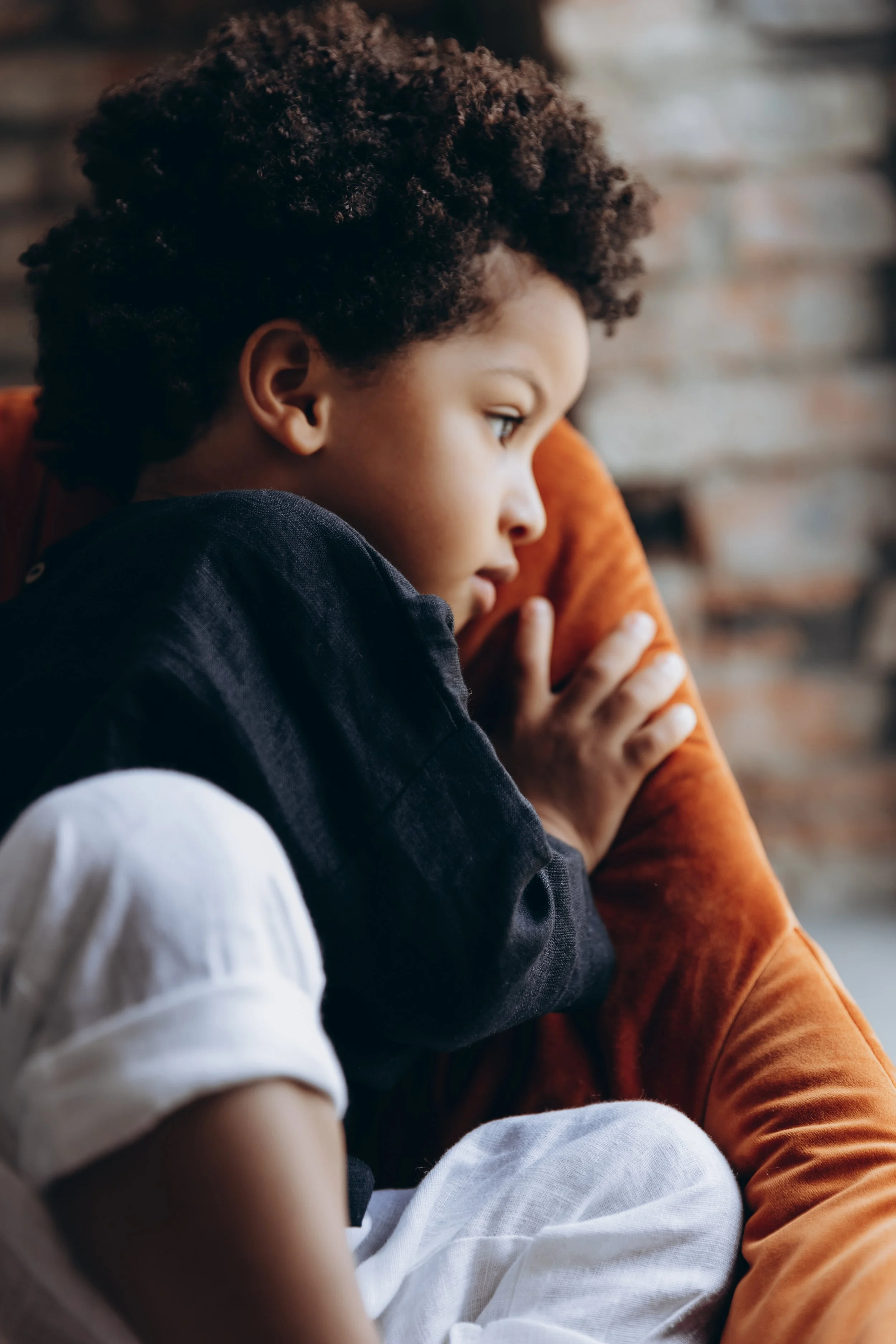
Early childhood anxiety can look like:
Excessive worries about new situations or activities (even ones that are fun or exciting)
Avoidance or refusal of activities (even ones your child previously enjoyed)
Displaying excellent behavior at school (“holding it together”) and then meltdowns and lashing out at family at home
Perfectionism or concern over performance
Frequent headaches or stomach aches (or other physical complaints)
Excessive clinginess and difficulty separating from caregivers after 24 months
Frequent reassurance-seeking
Emotional outbursts, yelling, crying, or aggression
Difficulty falling asleep or staying asleep, nightmares
Difficulty with toilet training
Very picky or restricted eating
Because anxiety presents in so many different ways in children, it is important to establish care with a specialist who understands the relationships between common behavioral concerns (e.g., oppositional or defiant behavior, refusal to toilet train) and anxiety. The Center for Pediatric Psychology is trained in multiple evidence-based methods for anxiety treatment including Cognitive Behavioral Therapy (CBT), Parent Child Interaction Therapy (PCIT), and Supportive Parenting for Anxious Childhood Emotions (SPACE) Treatment.
Get Started with a Child Anxiety Therapist in Lehigh Valley
We offer childhood anxiety counseling in Allentown, Bethlehem, and the greater Philadelphia area.